

Interview About Our Publishing Proccess

The following is from an interview with Kara Gonzalez-Howard, the newest author at Brave Brothers Books. We want people to become more informed about our mission and publishing process, so we asked Kara a couple of questions.

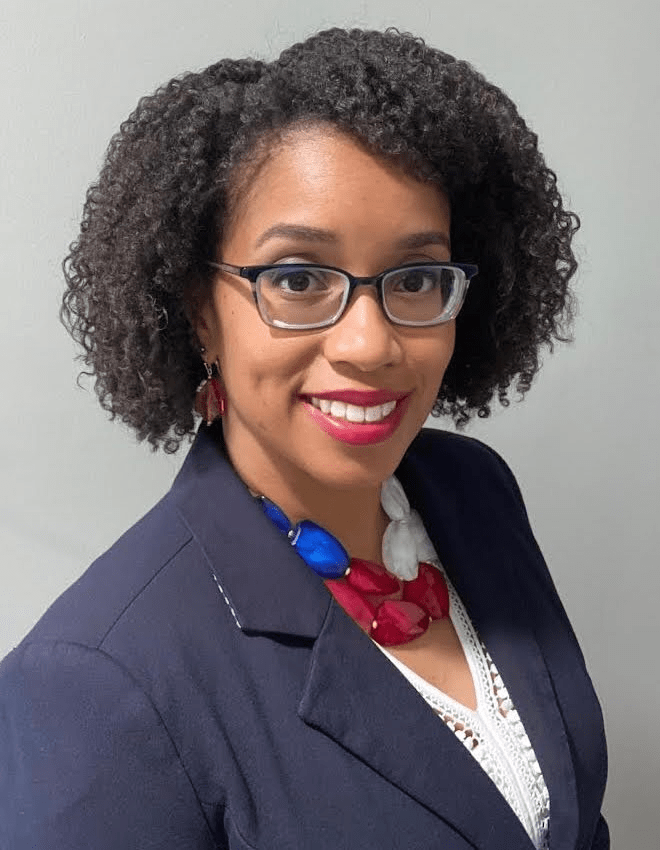
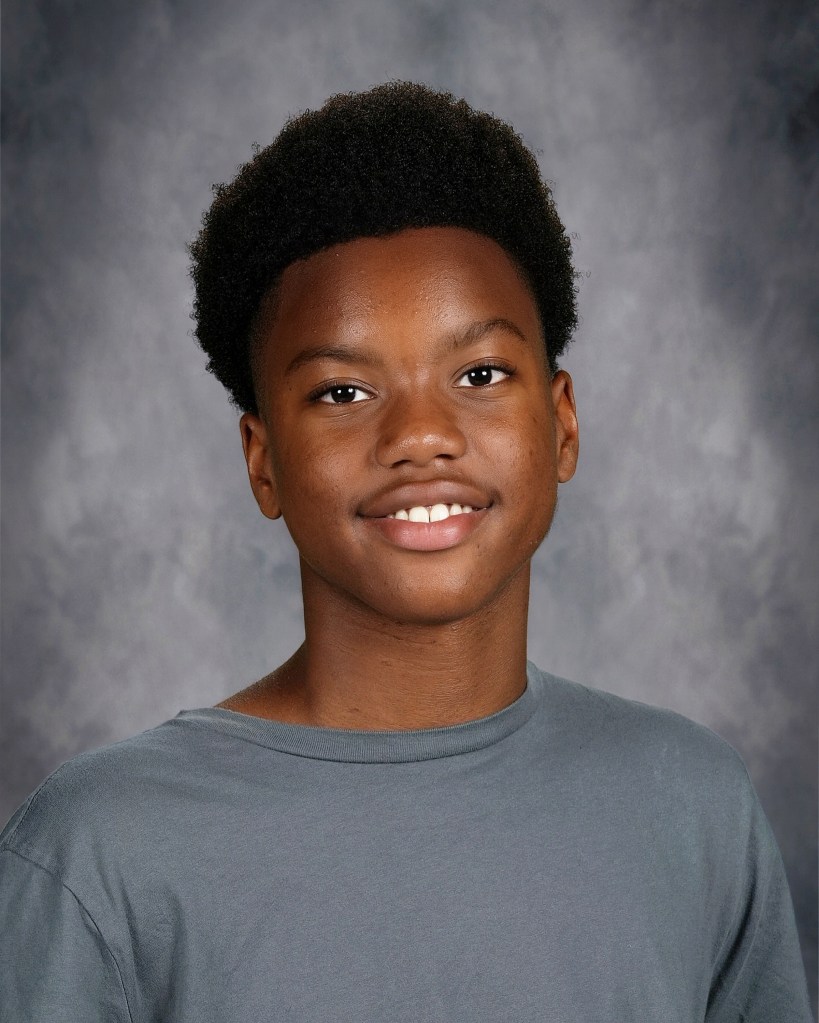
Image of Kara Gonzalez-Howard from her pilgrimage to Puerto Rico

1. How did you decide traditional publishing (as opposed to self-publishing) was the right way for you to publish your book?

I didn’t want to go the self-publishing route because the market is flooded, and I know I am not an expert by any means in editing/publishing, or the marketing that is required to have a successful book launch. While it can be done, I wanted to work with someone who is an expert and knows how to get a very high-quality book in front of its intended audience.

2. When did you know your manuscript was ready for submission?

I didn’t. I wrote something that I loved and meant something to me, and decided to take a chance and submit!

3. What do you think made your manuscript fit for Brave Brothers Books? And how do you think others can ensure their manuscripts align with the company’s mission?

I like the idea of working with a company that is interested in a variety of authentic voices and stories. Brave Brothers Books is a publishing company in my region, and I felt very comfortable working with Shawnta and highly valued her feedback and mentorship through the process. She was very helpful, but also let me take the lead in my own creative process. She worked with my vision rather than trying to manipulate my work into something it was not intended to be. I really appreciate that as an artist and writer, as so many companies seem to be more interested in fitting the work of their authors into a certain mold that they believe will sell rather than allowing the work to speak for itself!

4. How did you work with the editors and illustrators to ensure they captured your vision?

It was a collaborative process from start to finish! I got to see a couple of samples of how different editors would handle my work, and then see what felt most authentic to my voice as far as their editing style. As far as illustration, I got to see samples of a few different illustrators and decided which style would be the best fit. From there, I also got to have input on the individual characters and how they would appear in the book.

5. What did you find to be the most difficult part of the publishing process, and how did you overcome it?

I struggled with the editing phase the most. I actually started off with an editor who I didn’t feel captured my vision or voice, and changed quite a bit of the “feel” of the book to something I would not have written. Shawnta was able to find another editor on her team who was a better fit for my work, and it was night and day how much closer to my original manuscript we were able to get. I am so happy with the final direction! 

Interview with S3B

The following is from an interview with Shawnta Shicole Stockton Barnes (or S3B), author of Reflective Haiku: Poems For Growing, Healing, & Restoring the Soul and co-founder of Brave Brothers Books.

For anyone who doesn’t know who you are, could you tell us a little bit about yourself?

I’m an educator. For most of my career, I was a middle school English teacher. Most importantly, I am a mom of identical twin boys.

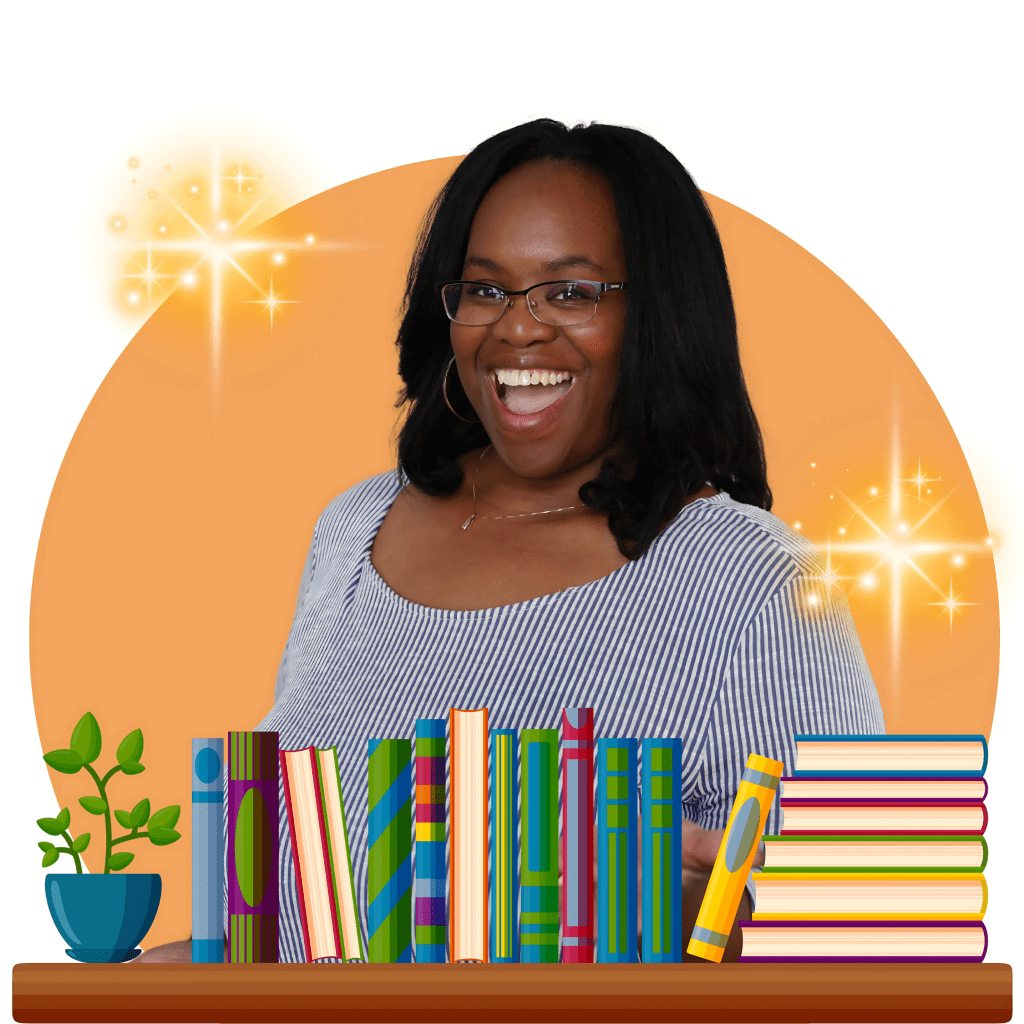
Portrait of S3B

What initially got you into writing in general?

I was a reserved child. Writing was a safe outlet for me to channel my thoughts. In addition to journaling, I would write poetry and stories.

What inspired you to write Reflective Haiku: Poems For Growing, Healing, & Restoring the Soul?

I never intended to write this book. When the COVID-19 pandemic began, I was a school administrator co-supervising a middle school. It was a stressful time. During that time, I decided to write haiku to express my feelings. I ended up with a huge collection of haiku, and I noticed emerging themes. That’s when I decided to make a book. Those themes became the chapter, and I teamed up with my son, James, who drew the illustrations for the book. Colorist Amanda Middleton colored the illustrations.

Illustration from “Reflective Haiku: Poems For Growing, Healing, & Restoring the Soul”

Can you tell us about your writing process?

What was the most difficult part of writing a book? I write every day. I write in my notes app, in my journal, or a Google doc. Sometimes I write a few sentences, and other days I write much more. The most difficult part of writing is trying not to edit yourself as you write. It is best to get your thoughts on the page and worry about the editing later.

What advice would you give to an aspiring author?

Good writers are avid readers. Any person who wants to be a writer needs to read, and read often.

Interview with Melodee Barnes

The following is from an interview with Melodee Barnes, author of Dear Curly Hair and Little Curlies, Big Day.

1. For anyone who doesn’t know who you are, could you tell us a little bit about yourself?
My name is Melodee Barnes, and I am a former early childhood educator and family coach with over 25 years of experience. I’ve worked in various settings, from daycare to teaching special education and English language to early childhood students. I’m passionate about empowering families to support their children’s growth and development through practical strategies and nurturing relationships.

Portrait of Melodee Barnes

I am also the author of Dear Curly Hair and Little Curlies, Big Day, two children’s books that celebrate the joy and uniqueness of curly hair while gently guiding parents and caregivers on teaching important social and emotional skills. My mission is to create relatable, empowering stories for children and helpful resources for parents.

2. What initially got you into writing in general?
I’ve always loved children’s stories, especially children’s stories that allow students to see themselves, whether through comedy, characters, or setting. As an educator, I’ve seen how powerful stories can be in teaching important concepts and connecting with children on a deeper level. Writing felt like a natural extension of my work—another way to reach and support families beyond the classroom.

3. What inspired you to write Dear Curly Hair & Little Curlies, Big Day?
The inspiration came from my own daughter, who at the time was just 6 months old. As a parent, I was still struggling to embrace my hair. I did not want my daughter to have the same concept of her hair; that it was unmanageable, unacceptable, or undesirable. So, I melded a little of my childhood into something that children could view today. Something she could relate to and see herself in.

Dear Curly Hair is like a love letter celebrating natural afro-textured hair, and so is Little Curlies, Big Day. However, Little Curlies, Big Day also focuses on building social skills and confidently handling new experiences. Both books are playful, relatable, and meaningful for children and adults alike.

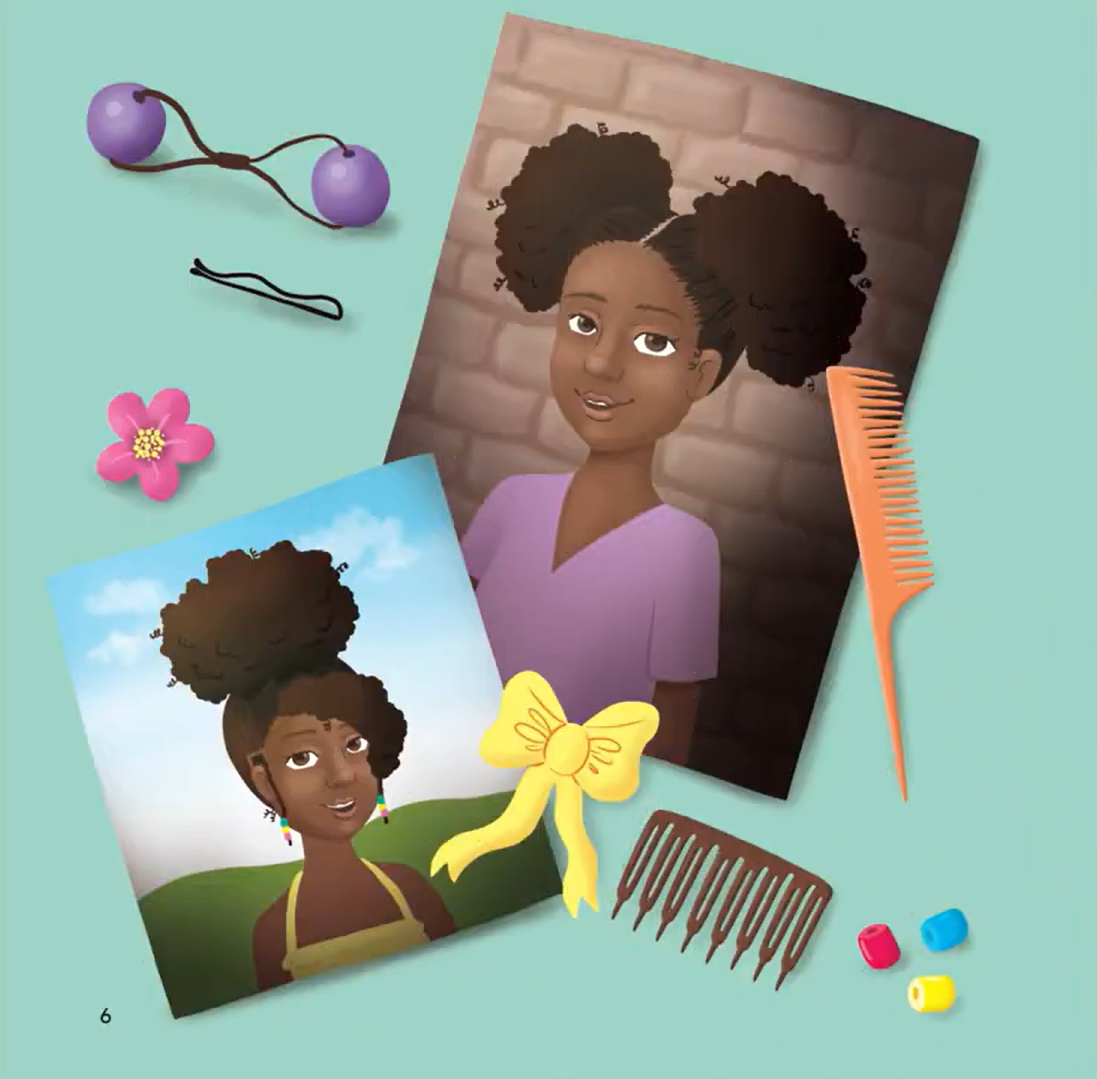
Illustration from “Dear Curly Hair”

4. Can you tell us about your writing process? What is the most difficult part of writing a book?
My writing process usually starts with brainstorming and creating a clear vision of the message I want to convey. Then, I work on drafting the story, keeping the language engaging, rhythmic, and accessible for young children. After that, I refine and revise to ensure every line has a purpose.

The most challenging part of writing a book is making sure the message is both enjoyable for kids and something parents will want to read to their kids. Striking that balance takes time and thoughtful editing. Also, being a perfectionist can sometimes make me overthink small details, but I’ve learned to trust the process and keep moving forward.

5. What advice would you give to an aspiring author?
My advice would be to write what you’re passionate about and stay true to your unique voice. Don’t be afraid to start small and allow your ideas to grow. Also, understand that the process takes time, and it’s okay if things aren’t perfect right away. Keep refining, keep learning, and most importantly, keep going. Your story matters, and there’s an audience out there waiting to hear it.

Interview With Aadila DeSouza

The following is from an interview with Aadila DeSouza, author of  Wonderfully Whole: Embracing Autism with Infinite Love.

1. For anyone who doesn’t know who you are, could you tell us a little bit about yourself?
I was born in South Africa and moved to the United States when I was eight years old. I graduated from college and spent ten years in project management. I became a stay-at-home mom when my son was diagnosed with autism. He was two when he received his diagnosis, and I spent years trying to “fix” his differences.

Portrait of Aadila DeSouza

As I continued to grow in my faith, I started to see the gifts in his differences, and I embraced who God created him to be. Not only did my relationship with my son change in incredible ways, but I also got the opportunity to experience the beauty in neurodiversity.

2. What initially got you into writing in general?
I have always journaled to process my emotions, and I’ve always been a big fan of non-fiction. Writing a book that is so reflective of my daily life came easily.

3. What inspired you to write Wonderfully Whole: Embracing Autism with Infinite Love?
My daughter was in kindergarten, and her peers began asking questions about my son’s behavior. She wasn’t sure how to answer these questions. I looked for resources, but I couldn’t find anything that expressed God’s design for neurodiversity. I wrote Wonderfully Whole: Embracing Autism with Infinite Love not only to educate others but also as a resource for my neurotypical children.

Illustration from “Wonderfully While: Embracing Autism with Infinite Love

4. Can you tell us about your writing process? What is the most difficult part of writing a book?
Setting an intention before I start writing helps me focus on the big picture of what I’m trying to communicate. I also need to limit distractions.

I struggle with perfectionism, which makes it hard to finish anything. Focusing on my intention before writing helps me combat the desire for my words to be “perfect.”

5. What advice would you give to an aspiring author?
Make your message more important than your ego. Take your next faithful step and just write. It doesn’t have to be perfect.

Interview With Jeremiah J. Barnes

The following is an interview with Jeremiah J. Barnes, author of My Family’s Great Smoky Mountains Adventure.

1. For anyone who doesn’t know who you are, could you tell us a little bit about yourself?
My name is Jeremiah. I like to read, play video games, and run track and cross-country.

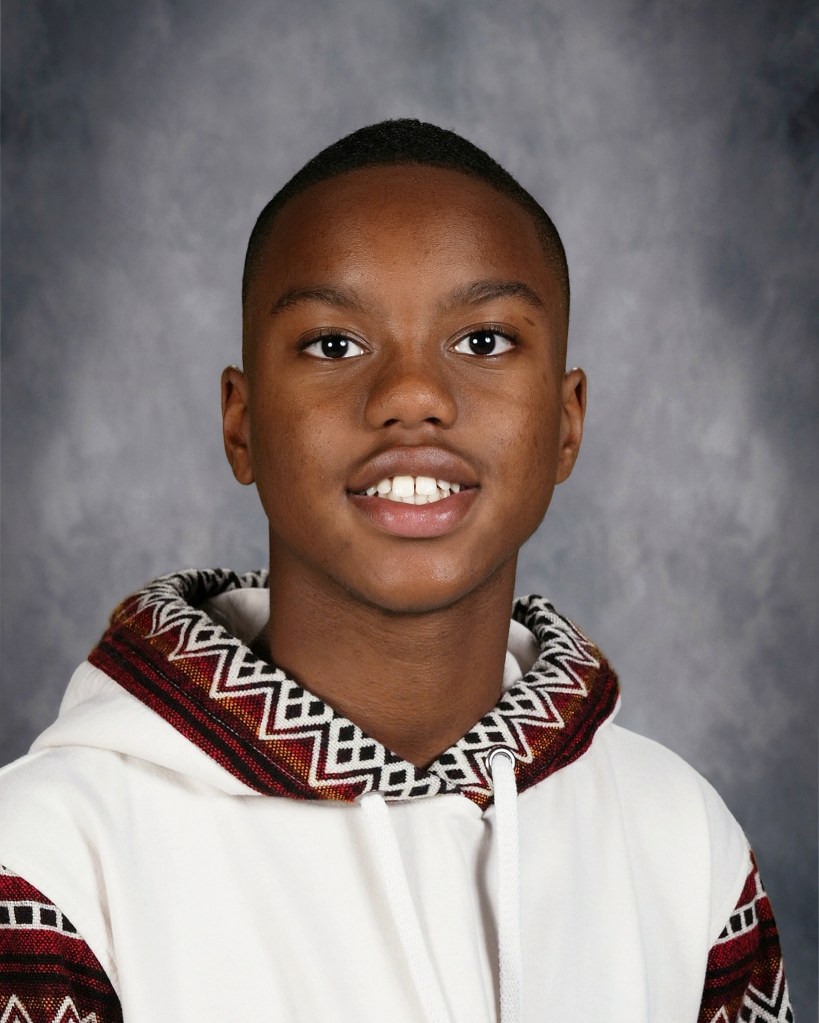
Portrait of Jeremiah J. Barnes

2. What initially got you into writing in general?
I got interested in writing because there were lots of cool books I liked and I wanted to make a book like that, too.

3. What inspired you to write My Family’s Great Smoky Mountains Adventure?
I was inspired to write my book because it was one of my favorite family trips I’ve ever been on, so I thought it would be important to write about it.

Photograph from “My Family’s Great Smoky Mountains Adventure”

4. Can you tell us about your writing process? What was the most difficult part of writing a book?
My writing process involves first gathering a few important parts/details from the trip, explaining what happened, and explaining why I thought it was fun. Then, I reread my work and made sure it turned out the way I wanted. However, the hardest part of the writing is making a good ending and beginning.

5. What advice would you give to an aspiring author?
To an aspiring author, I would say don’t give up writing and have fun doing it.

Interview With James J. Barnes

The following is an interview with James J. Barnes, author of Ghost Text.

1. For anyone who doesn’t know who you are, could you tell us a little bit about yourself?
A little bit about me is that I like to draw and enjoy running track and cross country.

Portrait of James J. Barnes

2. What initially got you into writing in general?
What had gotten me into writing in general was that I liked reading graphic novels and chapter books. I was inspired by the good stories I had seen in other books, so I decided to try to make my own.

3. What inspired you to write Ghost Text?
What inspired me to make Ghost Text specifically was that Jeremiah (my twin brother) had also made a book, and I wanted to try to make one, too. Also, I liked fiction a lot, so that too.

Illustration from “Ghost Text”

4. Can you tell us about your writing process? What was the most difficult part of writing a book?
My writing process was writing the whole story in a little book, and then my mom got an editor to help me revise everything. The hardest part was definitely the editing process since it took the most time and was difficult.

5. What advice would you give to an aspiring author?
Advice I would give an aspiring author is to get the story out onto paper first or type it out fully before you think about actually going through the publishing process.

Interview With Bob Clark

The following is an interview with Bob Clark, author and illustrator of Misty Morte: Afterlife Attorney.

1. For anyone who doesn’t know who you are, could you tell us a little bit about yourself?
My name is Bob Clark. I’m a writer and animator from New York. I’m on the Autism spectrum, and have an independent animated film inspired by that that’s running the festival circuit right now called “Autistic Mode.” It’s an animated anthology film made by myself, as well as fellow Autistic animators Charles Moss, Nix Busby, Malcolm Thomas, and Gabrielle Teaford, each of us using animatics to tell short and long stories in a wide variety of genres, including JRPG-inspired action-adventure, musical comedy, music video, and cyberpunk noir. It’s already played at the Boomtown Film & Music Festival in Beaumont, Texas. It’s playing in Austin, and will soon be in the Nyack International Film Festival. If it hits a festival near you, and you’re into more edgy adult-style 80s and 90s anime, check it out!

Self-portrait illustration by Bob Clark

2. What initially got you into writing in general?
I more or less got into writing as a way to help my mom on her own local productions in her after-school and library program, Theatre in a Trunk over the years, starting as a kid and continuing while I was in college and beyond. Oftentimes it was a way to relax and let off steam from more pressing school assignments, but as time went on it became something I tried to take more seriously as a way to put some real artistic and political statements into material being offered for young audiences. I can remember being terribly bored and alienated in a lot of classes and wanting to see something that was more entertaining and gutsy. Whenever I’ve written scripts for middle school programs, I’ve always tried to make sure that it was material that we were getting away with.

Screencap from “Get Me Misty Morte” performed at Albert Leonard Middle School

3. What inspired you to write Mitsy Morte: Afterlife Attorney?
In a word– Trump. In two words– legal dramas. I found myself binging a lot of shows like “The Good Wife” and “Law and Order” as a coping mechanism in the first Trump administration, and as time went on I thought this would make good material for a play in the Theatre in a Trunk program. It was taking a bit of a risk, since another script of mine that tried to tackle police corruption through the lens of classic movie monsters (with the monsters as the good guys, of course) had already been rejected by the school for being too critical of cops. However, by pushing the monster and supernatural comedy angle, with a lot of inspiration from C.S. Lewis’ satirical “Screwtape Letters,” I was able to come up with a story revolving around the election of an egotistical grim reaper running for President. Most importantly; however, I took a favorite character from the rejected script, the devilish hotshot lawyer Mitsy Morte, and made her the star of the show. It made for a combination that was too fun to be rejected, no matter the politics.

Illustration of Mitsy Morte by Bob Clark

4. Can you tell us about your writing process? What is the most difficult part of writing a book?
In the case of “Mitsy Morte,” each scene was written more or less piecemeal on its own, often around the demands of how many kids were joining the cast of the show. If we had more girls than boys join, I had to write more girl parts, and give everybody something to do that was vital for the story. That led to it being a very big ensemble cast where there’s lots of different players, different agencies and rivals gunning for power, which is perfect for a supernaturally themed satire of American politics. Then, sometimes you get an opportunity in casting that’s just too weird and singular not to take advantage of– the fact that one of our main cast members had an identical twin brother who wanted to be involved gave me the idea to introduce a “Twin Peaks” inspired doppelganger into the story, adding an absurdist twist to the story that was as weird as it was funny. Sometimes scripts are written by intuition.

5. What advice would you give to an aspiring author?
First of all, write for yourself. Follow your own interests, passions, obsessions. They’re the things you know the most about, the stuff you’re most sincere about. You have to be your own most important audience member, and tell the stories you most want to see in the world. Second, whenever possible, write the stuff that only you can write. It can be fun to dabble in other creators’ worlds and characters, and sometimes it’s just plain easier when it comes to reaching a wider audience if they’re dealing with known entities (a lot of the stuff I wrote for Theatre in a Trunk used public domain stuff like fairy tales or very obvious genre homages). But you have to really try and make them your own, and create something that nobody else has written before. If nothing else, it’ll be a lot easier legally. Trust Mitsy Morte on this– copyright law in the afterlife is an absolute NIGHTMARE.